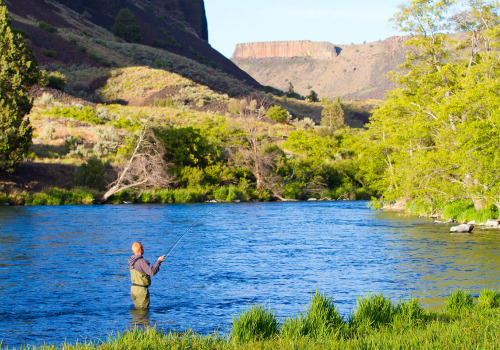
Oregon, with its stunning landscapes and diverse ecosystems, is a hiker's paradise. From the majestic peaks of the Cascade Range to the lush forests of the Coast Range, this state offers a plethora of trails that cater to all levels of adventurers. However, as with any outdoor activity, safety should always be a top priority.
Essential Hiking Safety Tips for Exploring Oregon's Trails
are crucial not only for ensuring a memorable experience but also for keeping you and your loved ones safe.Additionally, understanding how to protect local wildlife, such as bees, is important; for those interested in this aspect, consider reading about Protecting Beehives An Expert s Guide. Whether you're a seasoned backpacker or a casual day hiker, understanding the potential risks and how to mitigate them will enhance your outdoor experience. In this guide, we’ll delve into practical and vital safety tips that every hiker should know before setting foot on Oregon's picturesque trails. From preparing for unpredictable weather changes to staying aware of wildlife encounters, we've got you covered. So lace up your hiking boots and get ready to embark on an adventure through Oregon’s breathtaking scenery—with confidence!Hiking in Oregon offers an unparalleled opportunity to experience the state's breathtaking natural beauty, from its towering mountains to its serene coastlines. Additionally, understanding how to protect local wildlife, such as bees, is important; for those interested in this aspect, consider reading about Protecting Beehives An Expert s Guide. Whether you're a seasoned backpacker or a casual day hiker, understanding the potential risks and how to mitigate them will enhance your outdoor experience. In this guide, we’ll delve into practical and vital safety tips that every hiker should know before setting foot on Oregon's picturesque trails. From preparing for unpredictable weather changes to staying aware of wildlife encounters, we've got you covered. So lace up your hiking boots and get ready to embark on an adventure through Oregon’s breathtaking scenery—with confidence!Hiking in Oregon offers an unparalleled opportunity to experience the state's breathtaking natural beauty, from its towering mountains to its serene coastlines.
However, with these stunning landscapes come certain risks, making hiking safety tips essential for anyone looking to explore Oregon's trails. Proper preparation is key to ensuring a safe and enjoyable hiking experience. Before setting out on any hike, it is crucial to conduct thorough research on the trails you plan to explore. Understanding the difficulty level of a trail and its specific challenges will help you assess whether it aligns with your physical capabilities. For instance, a popular trail like the Pacific Crest Trail may offer stunning views but can also present significant elevation gains that require proper conditioning.
Always check trail conditions, as they can change due to weather or maintenance work. Websites and local ranger stations can provide up-to-date information. Weather in Oregon can be unpredictable, especially in the coastal regions and mountainous areas. It’s important to check the forecast before you go and be prepared for sudden changes. For example, a sunny morning can quickly turn into an afternoon rainstorm, so dressing in layers is key.
Start with moisture-wicking base layers, add insulating layers for warmth, and finish with a waterproof outer layer. This way, you can adjust your clothing to stay comfortable no matter the conditions. Equally important is having the right gear. Proper footwear is essential; sturdy hiking boots with good traction will help prevent slips and falls on uneven terrain. Additionally, carrying navigation tools such as a map, compass, or GPS device is vital for staying oriented.
Even well-marked trails can become confusing, especially in dense forests or foggy conditions. A personal anecdote: I once hiked a lesser-known trail near Crater Lake and lost my way due to poor signage; thankfully, I had my map and compass to guide me back. Staying hydrated should never be overlooked when hiking. Dehydration can lead to fatigue and impaired judgment, which are dangerous on the trail. Always carry enough water for your hike; a good rule of thumb is to drink about half a liter of water every hour of moderate activity.
In addition to water, bring along nutritious snacks like trail mix or energy bars to keep your energy levels up during the hike. Wildlife encounters are another aspect of hiking in Oregon that requires awareness and respect. While most animals will avoid humans, it’s crucial to know how to react if you encounter wildlife such as bears or snakes. If you see a bear from a distance, do not approach it; instead, slowly back away while speaking calmly. Familiarize yourself with bear safety techniques, such as making noise while hiking to alert animals of your presence.
Similarly, understanding how to identify and avoid rattlesnakes can prevent dangerous situations. Always stick to marked paths and be cautious when stepping over logs or rocks where snakes may be hiding. Before heading out on your hike, inform someone about your plans—this includes the trail you’re taking and when you expect to return. This simple step can be lifesaving; if something goes wrong and you don’t return as planned, this information enables search and rescue teams to act quickly. I recall a friend who went hiking solo without telling anyone; he ended up getting lost for several hours before finally finding his way back. Common concerns like getting lost or experiencing sudden weather changes are valid fears for many hikers.
To mitigate these risks, always have a backup plan for your route and be familiar with alternative trails in case conditions change unexpectedly. Carrying a whistle and a small first aid kit can also be invaluable in emergencies. In conclusion, following these safety tips for hiking in Oregon can greatly enhance your outdoor experience while minimizing risks. With proper preparation, awareness of your surroundings, and respect for nature, you can enjoy all that Oregon's beautiful trails have to offer while keeping safety at the forefront of your adventure.
Staying Hydrated and Nourished
When embarking on a hiking adventure in Oregon, it is crucial to prioritize hydration and nutrition. The diverse landscapes, whether you are traversing dense forests or coastal trails, can be physically demanding and may lead to fatigue if your body is not properly fueled. Staying hydrated is essential for maintaining energy levels and overall health.Dehydration can lead to dizziness, fatigue, and impaired decision-making, which can be particularly dangerous in remote areas. It is recommended to drink water regularly, even if you do not feel thirsty. A good rule of thumb is to consume about half a liter of water every hour during moderate activity. Consider carrying a hydration pack or water bottles that are easy to access while hiking. Nourishment is equally important.
Pack lightweight, high-energy snacks such as nuts, dried fruits, and energy bars to replenish your energy during the hike. Foods rich in carbohydrates and proteins can help sustain your stamina, allowing you to enjoy the breathtaking views without feeling drained. Planning your meals ahead of time and ensuring you have enough food for the duration of your hike will keep you energized and ready to explore Oregon's beautiful trails.
Preparation is Key
Before embarking on an adventure in the breathtaking landscapes of Oregon, it is crucial to prioritize preparation. A well-prepared hiker can significantly enhance their experience while ensuring safety on the trails.Researching trails
is the first step in your preparation.Oregon boasts a variety of hiking trails, each with its own unique challenges and scenery. Utilize online resources, guidebooks, and local hiking groups to gather information about trail difficulty, length, and elevation gain. Websites like AllTrails and the Oregon State Parks site provide valuable insights, including user reviews and photos that can help you choose a trail that aligns with your hiking experience. Next, checking weather forecasts is essential for a safe hiking experience. Oregon's weather can be unpredictable, especially in mountainous regions.
Before your hike, consult reliable weather sources to understand the conditions you might encounter. Pay attention to temperature changes, precipitation forecasts, and wind conditions. It’s wise to be prepared for sudden changes in weather by packing appropriate clothing and gear. Lastly, evaluating your own fitness level is vital before hitting the trails. Consider the trail's difficulty and your physical capabilities.
If you are new to hiking or have not been active recently, opt for easier trails to build your endurance. Always listen to your body; if you feel fatigued or unwell during your hike, it’s important to turn back and prioritize your safety. By taking the time to research trails, monitor weather conditions, and assess your fitness level, you set yourself up for a safer and more enjoyable hiking experience in the stunning outdoors of Oregon.
Essential Gear for Safe Hiking
When embarking on a hiking adventure in Oregon, having the right gear is crucial for ensuring a safe and enjoyable experience.Sturdy footwear
is one of the most important items to invest in. Choose hiking boots that provide good ankle support and have a sturdy sole for traction on various terrains.Next, dressing in appropriate clothing layers is essential. The weather in Oregon can change rapidly, so wearing moisture-wicking base layers, insulating mid-layers, and a waterproof outer layer will keep you comfortable in diverse conditions. Navigation tools are also vital for any hiking trip. Carry a reliable map of the area and a compass to help you stay oriented.
While GPS devices and smartphones can be helpful, it's wise to have traditional navigation tools as a backup in case of battery failure or poor signal. A well-stocked first-aid kit is another key item to bring along. Make sure it contains band-aids, antiseptic wipes, pain relievers, and any personal medications you may need. Being prepared for minor injuries can make a significant difference in your hiking experience. Lastly, don't forget to pack sufficient food and water supplies.
Hydration is critical, especially during strenuous hikes. Carry enough water for the duration of your hike, and consider packing high-energy snacks like nuts, energy bars, or dried fruit to keep your energy levels up.
Wildlife Awareness
When hiking in Oregon, being aware of the local wildlife is crucial for both your safety and the well-being of the animals you may encounter. Oregon is home to a diverse range of wildlife, including deer, elk, bears, and even cougars. Understanding how to coexist with these animals can enhance your hiking experience while keeping you safe.Bear Encounters:
If you encounter a bear, it is essential to stay calm and avoid sudden movements.Do not run; instead, slowly back away while speaking in a calm voice. Making yourself appear larger by raising your arms can also help. If the bear approaches, stand your ground and prepare to use bear spray if you have it.
Cougar Sightings:
Cougars are elusive but can be dangerous if encountered. If you see one, do not turn your back or run away.Maintain eye contact, make yourself look bigger, and make loud noises to scare the animal away. If attacked, fight back with anything you have.
Deer and Elk:
These animals are generally not aggressive but can be unpredictable, especially during mating season. Keep a safe distance and never attempt to feed or approach them. If driving in areas with high deer populations, remain vigilant, particularly at dawn and dusk when they are most active.Snake Awareness:
Oregon is home to several snake species, some of which are venomous.When hiking, watch where you step and avoid placing your hands in areas where snakes may be hiding. If bitten by a snake, seek medical attention immediately. To minimize encounters with wildlife while hiking, make noise as you walk—this alerts animals to your presence and gives them a chance to move away. Additionally, storing food properly and keeping a clean campsite will help prevent attracting wildlife. Understanding these safety tips about local wildlife will not only protect you but also contribute to the preservation of Oregon's rich natural ecosystem. Always remember that you are a guest in their habitat.
Emergency Preparedness
When embarking on a hiking adventure in Oregon, it's crucial to be prepared for any unforeseen circumstances.Emergency preparedness can make a significant difference in ensuring your safety and well-being while exploring the great outdoors. First and foremost, always inform someone about your hiking plans. Let them know your intended route, expected return time, and any changes to your itinerary. This way, if you encounter an emergency, they can alert authorities if you don't return as scheduled. Next, carry a well-stocked first aid kit. Essential items should include adhesive bandages, antiseptic wipes, gauze, adhesive tape, and any personal medications.
Familiarize yourself with how to use these supplies effectively. Additionally, having a map and compass is vital, even if you plan to use a GPS device. Technology can fail, so knowing how to navigate using traditional tools is a valuable skill. Practice reading maps and using compasses before heading out on the trail. In case of an emergency, stay calm and assess the situation. If someone is injured, apply first aid as needed and determine whether evacuation is necessary.
If you are lost, retrace your steps if it's safe to do so, or find a safe location to wait for help. Always have a reliable means of communication. A fully charged cell phone can be a lifesaver in emergencies. However, remember that signal coverage may be limited in remote areas of Oregon. Consider carrying a satellite phone or a personal locator beacon (PLB) for more reliable communication. Lastly, familiarize yourself with the local wildlife and potential hazards of the area you'll be hiking in.
Understanding what to do in case of encounters with animals such as bears or snakes can prevent dangerous situations. By taking these precautionary steps and being well-prepared for emergencies, you can enjoy the breathtaking beauty of Oregon's trails while ensuring your safety and that of your fellow hikers.
Navigating Oregon’s Trails
When hiking in Oregon, it is crucial to understand how to effectively navigate the diverse trails that wind through its breathtaking landscapes. Whether you are trekking through dense forests or along rugged coastlines, knowing how to use trail markers, maps, and GPS devices can significantly enhance your hiking experience.Trail markers
serve as your primary guide while on the trails. These markers come in various forms, including painted blazes on trees, signposts, and rock cairns. Familiarize yourself with the color-coding system used in Oregon, as different colors often indicate different trails or levels of difficulty.Always pay attention to these markers to ensure you remain on the correct path and avoid getting lost. In addition to trail markers, carrying a physical map of the area can be invaluable. Before heading out, study the map to understand the layout of the trails, their intersections, and any potential hazards. A good map will also highlight points of interest, such as scenic viewpoints or water sources. Make sure to pack a compass as well, as it can aid in orienting yourself should you encounter any confusion on the trail. In today's digital age, GPS devices and smartphone apps have become essential tools for hikers.
Many apps provide detailed maps and real-time location tracking, making it easier to navigate unfamiliar terrain. However, it’s important to remember that technology can sometimes fail due to dead batteries or lack of signal in remote areas. Therefore, always have a backup plan, such as a printed map and a compass. Combining these navigation tools—trail markers, maps, and GPS—will give you the confidence needed to explore Oregon’s stunning trails safely. By staying aware of your surroundings and being prepared, you can fully enjoy the natural beauty that Oregon has to offer. In conclusion, hiking in Oregon can be both a thrilling and safe experience when proper precautions are taken.
By prioritizing preparation, investing in essential gear, and being aware of the diverse wildlife, you can fully enjoy the breathtaking landscapes that this state has to offer. Remember to stay hydrated and nourished, and always have a plan for emergencies to ensure your adventures remain joyful. As you venture out into the stunning Oregon wilderness, embrace the beauty of its trails while respecting the natural environment. With the right knowledge and preparation, you can confidently explore more attractions in Oregon, creating memorable experiences that connect you with nature.