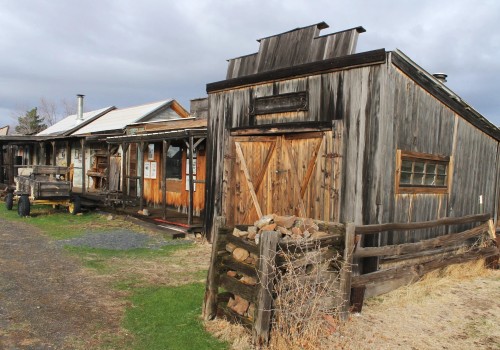
Welcome to a journey that unveils the vibrant past of the Beaver State, Oregon. Nestled in the Pacific Northwest, this enchanting region is not just a landscape of breathtaking natural beauty, but also a rich tapestry of history waiting to be explored. From the ancient Native American tribes who first called this land home to the pioneers who traversed its rugged terrains, Oregon's heritage is a mosaic of cultures, stories, and landmarks that have shaped its identity over centuries. As we delve into the heart of Preserving Oregon's history, we invite you to discover the remarkable sites that stand as testaments to the resilience and spirit of those who came before us. Each historical landmark tells a unique story, offering insights into the lives, struggles, and triumphs of Oregonians throughout the ages.
Whether it’s the remnants of a bustling Gold Rush town or the serene beauty of a historic lighthouse overlooking the ocean, these sites are not just relics; they are vibrant connections to our past. Join us as we explore the landmarks and monuments that make up Oregon’s historical narrative. This article will guide you through notable sites that preserve the essence of our state’s rich cultural heritage, celebrating the diverse influences that have woven together to create the Oregon we know today. Prepare to be inspired by tales of bravery, innovation, and community as we embark on this exploration of that make up Oregon’s historical narrative. This article will guide you through notable sites that preserve the essence of our state’s rich cultural heritage, celebrating the diverse influences that have woven together to create the Oregon we know today. Prepare to be inspired by tales of bravery, innovation, and community as we embark on this exploration of Oregon's heritage.
Preserving Oregon's history
requires a deep understanding of the state's multifaceted past, which encompasses a rich tapestry woven from indigenous cultures, the tumultuous pioneer era, and significant historical events. From the moment the first Native Americans set foot on this land, Oregon has been a place of vibrant cultures and communities.The indigenous tribes, including the Chinook, Klamath, and Nez Perce, have lived in harmony with the land for thousands of years, developing intricate social systems and rich traditions that are still celebrated today. As we delve into the early history of Oregon, it is essential to highlight the impact of the Oregon TrailOregon Trail. This historic route became a lifeline for thousands of settlers in the mid-1800s who traveled westward in search of new opportunities. The arduous journey brought families across vast plains and treacherous mountains, culminating in the establishment of significant settlements such as Oregon City, which became the first city in the Oregon Territory. These settlers left an indelible mark on the landscape and contributed to shaping Oregon’s unique identity. Today, visitors can explore many remarkable historical attractions that embody the spirit of this fascinating era.
One such site is the Oregon Historical Society, located in Portland. This institution serves as a treasure trove of artifacts, documents, and exhibits that chronicle Oregon's past from its indigenous roots through its statehood. Engaging exhibits invite families and history buffs alike to learn about the diverse narratives that compose Oregon's story. Another must-visit location is Fort Vancouver National Historic Site, which offers an immersive glimpse into life during the fur trade era. As a Hudson's Bay Company fort, it was a vital trading post that played a crucial role in the economic development of the Pacific Northwest.
Today, visitors can experience reenactments, guided tours, and interactive displays that bring history to life, making it an ideal destination for families seeking educational experiences. The Oregon Trail Interpretive Center, located near Baker City, provides another opportunity to connect with history through outdoor activities. The center features trails that mimic portions of the original Oregon Trail, allowing visitors to walk in the footsteps of pioneers while learning about their struggles and triumphs through interpretive signage and programs. Participating in reenactments or demonstrations at such centers adds a dynamic element to understanding historical narratives. While exploring these sites, it is essential to recognize that history can be interpreted in various ways. Different perspectives on events may lead to discussions about cultural representation and historical accuracy.
For example, while many celebrate the pioneering spirit of settlers, there are also narratives surrounding the displacement of indigenous populations that must be acknowledged and respected. Engaging with multiple viewpoints enriches our understanding of Oregon's history and encourages a more nuanced appreciation of its complexities. Whether you are visiting historic landmarks or engaging in interactive experiences, preserving Oregon's history is not just about safeguarding artifacts; it is about fostering an ongoing dialogue around heritage and identity. By inviting readers to explore these narratives—both celebrated and contentious—we can inspire a deeper connection to Oregon's past and present. The beauty of Oregon lies not only in its stunning landscapes but also in its diverse cultural heritage. As we journey through time at these historical sites, we gain insight into what makes Oregon a compelling destination for both history enthusiasts and casual visitors alike.
With every visit to a landmark or participation in a reenactment, we take part in preserving this rich heritage for future generations to appreciate.
Preservation Efforts and Challenges
The preservation of Oregon's history is a vital endeavor that requires collaboration among government agencies, non-profit organizations, and local communities. Current preservation effortsCurrent preservation efforts in the state focus on safeguarding significant landmarks, historical buildings, and cultural sites that tell the story of Oregon's diverse heritage. Initiatives such as the Oregon State Historic Preservation Office provide guidance and resources to help protect these invaluable assets. Programs like the National Register of Historic Places also play a crucial role in recognizing and preserving sites of historical significance. Despite these efforts, there are numerous challenges faced by historical sites in maintaining their integrity.Funding limitations often hinder restoration projects, making it difficult to carry out necessary repairs and conservation work. Additionally, the impact of climate change poses a growing threat to many sites, as rising sea levels and extreme weather events can lead to deterioration. Furthermore, balancing modern development with the need to preserve historical sites is an ongoing struggle, as communities seek to grow while honoring their past. Engaging the public in preservation efforts is essential for ensuring the longevity of Oregon's historical sites. Educational programs and community involvement can foster a sense of stewardship and awareness about the importance of maintaining these cultural treasures for future generations.
By addressing these challenges head-on and working collaboratively, Oregonians can continue to celebrate and preserve the rich tapestry of their history.
Indigenous Heritage and Early Settlements
The rich cultural history of Native American tribes in Oregon dates back thousands of years, long before European explorers set foot on the land. Indigenous tribes such as the Multnomah, Umpqua, and Klamath thrived in this region, developing unique languages, traditions, and social structures that were deeply connected to the land and its resources. These tribes were skilled hunters, fishers, and gatherers, utilizing the diverse ecosystems of Oregon—from the lush forests to the bountiful rivers—to sustain their communities. As early as the 16th century, European explorers began to arrive on the Pacific Coast, driven by a desire for trade and new territories. The encounters between these explorers and Native Americans were complex and often fraught with tension.While some European settlers sought to establish trade relationships, others brought diseases that devastated indigenous populations. The arrival of settlers marked a significant turning point in Oregon's history, leading to profound changes in the social fabric and landscape of the region. Despite these challenges, the legacy of Oregon's indigenous peoples endures today. Many tribes continue to preserve their languages, traditions, and cultural practices, offering a glimpse into their rich heritage. Visitors to Oregon can explore this fascinating aspect of history through various attractions such as the Tamastslikt Cultural Institute, which showcases the stories and contributions of Native American tribes in the area.
Museums and Cultural Institutions
Oregon's commitment to preserving its history is evident in the numerous museums and cultural institutions scattered throughout the state.These establishments not only provide a glimpse into the past but also celebrate the rich tapestry of Oregon's heritage. One of the crown jewels of Oregon's museum scene is the Portland Art Museum. Established in 1892, it is one of the oldest art museums in the United States and boasts an extensive collection of artworks, ranging from Native American artifacts to contemporary pieces. The museum's exhibitions often reflect the state's cultural narratives, showcasing local artists and significant historical events that have shaped Oregon. Another must-visit institution is the High Desert Museum, located near Bend.
This unique museum offers an immersive experience that highlights the natural history and cultural heritage of the high desert region. Visitors can explore indoor and outdoor exhibits, including live animal displays, historic buildings, and interactive installations that tell the story of Oregon's indigenous peoples, pioneers, and the landscape itself. In addition to these prominent museums, there are many smaller institutions across Oregon that contribute to the state's historical narrative. From local history museums to art galleries showcasing regional talent, each location provides insight into different facets of Oregon's past and present. By visiting these museums, both history enthusiasts and casual visitors can engage with the stories that have shaped this beautiful state.
Historic Towns and Cities
Oregon is home to several historic towns and cities that offer a glimpse into the past while preserving their unique charm.Ashland, known for its vibrant arts scene and the famous Oregon Shakespeare Festival, also boasts a rich history that dates back to the gold rush era. Visitors can stroll through the picturesque streets, where beautifully preserved buildings house galleries, shops, and restaurants, all while enjoying the backdrop of the stunning Cascade Mountains. Another gem is Jacksonville, a small town that was once a bustling gold mining hub. Today, Jacksonville is recognized for its well-preserved 19th-century architecture and historic sites, including the Jacksonville Cemetery and the Beekman House. The town's commitment to preservation allows visitors to experience its historical significance through guided tours and annual events that celebrate its heritage. Meanwhile, The Dalles serves as a gateway to Oregon's history, being strategically located along the Columbia River.
This town played a crucial role in the westward expansion, serving as a key transportation hub during the pioneer era. Visitors can explore historic landmarks such as the Fort Dalles Museum and enjoy scenic views from the nearby Rowena Crest Viewpoint, which offers insight into both natural beauty and historical context. These towns not only showcase Oregon's rich history but also provide unique attractions that cater to history enthusiasts and casual visitors alike. By exploring these locations, one can truly appreciate how Oregon's past continues to shape its vibrant present.
The Oregon Trail: A Journey Through Time
The Oregon Trail holds a prominent place in American history as one of the most significant migration routes of the 19th century. Spanning over 2,000 miles, this arduous trail was the pathway for thousands of settlers seeking new opportunities in the fertile lands of the Pacific Northwest.The journey, fraught with challenges such as harsh weather, difficult terrain, and the threat of disease, shaped the lives and destinies of those who embarked on it. Key landmarks along the Oregon Trail serve as historical markers that tell the stories of the pioneers who traveled this route. One notable site is Independence Rock, often referred to as the Preserving Oregon's history is essential for ensuring that future generations can appreciate the rich narratives woven into the fabric of the state. The diverse attractions, from indigenous heritage sites to historic towns along the Oregon Trail, offer a unique opportunity for visitors to immerse themselves in the stories that shaped Oregon. By exploring these landmarks and museums, you not only gain insight into the past but also contribute to ongoing preservation efforts. Consider volunteering at local heritage organizations, donating to historical preservation funds, or simply spreading awareness about the importance of maintaining these sites.
Engaging with local history not only enriches your experience but also helps sustain Oregon's cultural legacy for years to come.