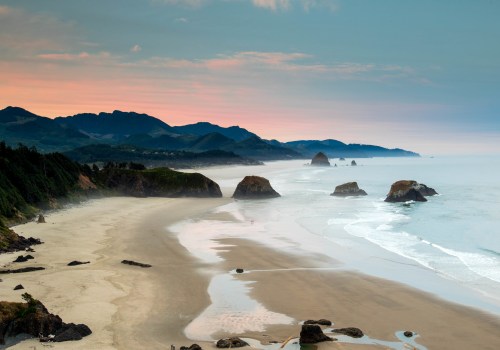
Oregon is a treasure trove of wildlife watching opportunities, where nature enthusiasts and casual observers alike can immerse themselves in the breathtaking beauty of diverse ecosystems. From the rugged coastline to the lush forests and expansive wetlands, the state offers a remarkable array of habitats that are home to an incredible variety of species. Whether you’re hoping to catch a glimpse of majestic elk roaming through the valleys, observe playful sea otters along the Pacific shores, or witness the spectacular migration of birds through the wetlands, Oregon’s landscapes provide a stunning backdrop for unforgettable wildlife encounters. As you venture into this picturesque state, you’ll discover that wildlife watching opportunities are not just limited to well-known national parks and forests; countless hidden gems await your exploration. Each region boasts its own unique flora and fauna, inviting adventurers to uncover the secrets of Oregon’s natural wonders.
With numerous trails, viewpoints, and dedicated wildlife refuges, every corner of Oregon presents an opportunity for connection with nature. Join us as we delve into the best spots for wildlife observation across this captivating state. We will highlight some of the top locations where you can witness nature in action, share tips on how to enhance your wildlife watching experience, and inspire your next adventure in Oregon’s wild heart. Ready your binoculars and prepare for an immersive journey into the wild—Oregon awaits!Oregon is a treasure trove of biodiversity, boasting a wide array of ecosystems that provide habitats for countless wildlife species. From the majestic mountains to the rugged coastline, the state's varied landscapes create exceptional wildlife watching opportunities for nature enthusiasts, families, and casual observers alike.
With each region offering its own unique experiences, there's no shortage of remarkable spots to witness the wonders of Oregon's wildlife. One of the most breathtaking locations for wildlife watching is Crater Lake National Park. Renowned for its stunning blue waters and steep caldera walls, this park is also home to numerous bird species. Visitors can spot the rare California condor, various species of ducks, and the elusive peregrine falcon. The best time to visit for birdwatching is during the spring and early summer when migratory birds return to the area.
Guided tours are available, offering insights from experienced naturalists who share their knowledge about the local avifauna. As one visitor remarked, "Seeing a condor soar above Crater Lake was an unforgettable experience!"As we move toward the coast, the Oregon Coast presents some of the finest wildlife watching opportunities in the state, especially for marine life enthusiasts. The coastal waters are a prime location for spotting migrating whales, particularly during the winter and spring months when gray whales pass along their migratory route. Cape Perpetua and Depoe Bay are popular vantage points where visitors can observe these magnificent creatures breaching the surface.
Many local companies offer whale watching tours that provide a closer look at these gentle giants and allow participants to witness other marine wildlife such as sea lions and various seabirds. A local guide shared, "The thrill of seeing a whale breach just feet away from the boat is something you have to experience to believe!"The Malheur National Wildlife Refuge stands as another gem in Oregon's wildlife watching landscape. This expansive wetland area serves as a crucial stopover for migratory birds along the Pacific Flyway. From March through May, birdwatchers can enjoy an incredible variety of species including sandhill cranes, American avocets, and an array of songbirds.
The best way to experience this refuge is by taking part in the annual Malheur Bird Festival held in May, which offers guided tours, workshops, and opportunities to meet fellow bird lovers. The refuge's scenic drive allows visitors to explore at their own pace while keeping an eye out for wildlife. A seasoned birdwatcher once stated, "Malheur is like stepping into a live nature documentary—every turn holds a new surprise!"While enjoying these incredible wildlife watching opportunities, it's essential to remember the importance of respecting nature and observing wildlife responsibly. Keeping a safe distance, not feeding animals, and minimizing noise are crucial practices that help protect both wildlife and their habitats.
To enhance your experience further, consider bringing binoculars for better viewing and using apps like Merlin Bird ID or iNaturalist to identify various species you encounter. Joining guided tours can also enrich your understanding of local ecosystems and provide firsthand knowledge from experts. The diverse wildlife of Oregon awaits those eager to explore its natural wonders. Whether you're hiking through Crater Lake's enchanting trails, standing on the cliffs of the Oregon Coast, or soaking in the beauty of Malheur National Wildlife Refuge, each moment spent observing wildlife creates lasting memories and deepens our connection with nature.
Tips for Responsible Wildlife Watching
Engaging in wildlife watching can be a thrilling experience, but it is essential to do so responsibly to ensure the safety and well-being of both the observer and the wildlife. Here are some important guidelines to follow:Maintain a Safe Distance: When observing wildlife, always keep a respectful distance.This not only protects you but also minimizes stress on the animals. Use binoculars or a camera with a zoom lens to get a closer view without encroaching on their space.
Avoid Feeding Animals
: Feeding wildlife can disrupt their natural foraging behavior and create dependency on human food. It can also lead to aggressive behavior from animals seeking food. Instead, admire their natural behaviors from afar.Stay on Designated Trails
: To minimize your impact on the environment, stick to marked trails and paths.Venturing off-trail can damage sensitive habitats and disturb wildlife.
Keep Noise to a Minimum
: Loud noises can startle animals and drive them away. Speak softly and use quiet movements to observe wildlife more effectively without causing disruption.Respect Nesting Sites and Breeding Seasons
: Many species are particularly vulnerable during nesting and breeding seasons. Avoid areas that are known nesting sites, and be aware of seasonal restrictions in certain parks or reserves. By following these guidelines, you can enjoy the beauty of Oregon's wildlife while ensuring that these magnificent creatures are preserved for future generations.Best Times to Watch Wildlife
Understanding the seasonal variations in wildlife activity is essential for maximizing your wildlife watching experience in Oregon. Each season brings its own unique opportunities to observe different species in their natural habitats. In spring, as the weather warms and flowers bloom, many animals are particularly active.This is the time when birds return from migration, making it an excellent season for birdwatching. Species such as the American Robin and various songbirds can be spotted as they build nests and care for their young. Summer is ideal for spotting larger mammals. Animals like deer and elk are often seen grazing in the lush landscapes, while marine life becomes more visible along the coast. The clear skies and longer days provide perfect conditions for outdoor adventures and wildlife excursions. As we transition into autumn, the changing leaves signal a shift in wildlife behavior.
Many animals prepare for winter, which means you can witness them foraging and storing food. This season also offers breathtaking views of migratory birds, such as geese and swans, as they travel south. Finally, winter presents a different kind of wildlife watching experience. While some animals hibernate, others like elk and coyotes remain active and can be spotted against the snow-covered landscapes. Birdwatchers may also find joy in observing winter residents like the Bald Eagle and various waterfowl that thrive in Oregon's rivers and lakes during this time. No matter what season you choose to visit, each time of year offers distinct opportunities to connect with Oregon's rich biodiversity through wildlife watching.
Family-Friendly Wildlife Watching Activities
Oregon offers a plethora of wildlife watching opportunities that are perfect for families looking to connect with nature while educating their children about the importance of wildlife conservation.One of the best ways to engage young nature enthusiasts is through guided tours designed specifically for families. Organizations like the Oregon Zoo provide interactive programs that allow children to learn about various animal species and their habitats. The zoo’s educational tours often include hands-on experiences, such as animal encounters and behind-the-scenes looks at how animals are cared for, making it an exciting outing for kids. Another excellent option is the Wildlife Safari in Winston, where families can drive through a park filled with free-roaming animals. This experience not only allows for close-up views of exotic wildlife but also includes educational programs that teach children about conservation efforts and the importance of protecting these species. For families who prefer a more immersive experience, guided nature hikes led by local naturalists can be a fantastic choice. Many parks, such as Crater Lake National Park, offer family-friendly hikes that focus on local wildlife and ecosystems.
These guided tours often incorporate fun facts and engaging stories that captivate young minds while fostering a sense of respect for nature. Additionally, the Oregon Coast Aquarium hosts family-oriented events and workshops that focus on marine life. Children can participate in activities that teach them about ocean conservation, as well as observe various marine species up close, from sea otters to jellyfish. Whether it's through zoo visits, wildlife safaris, guided hikes, or aquarium workshops, Oregon provides a wealth of wildlife watching opportunities that are both educational and enjoyable for families. Engaging children in these activities nurtures a love for wildlife and instills the values of conservation from a young age.
Top Wildlife Watching Locations in Oregon
Oregon is a treasure trove for wildlife enthusiasts, offering a plethora of opportunities to observe animals in their natural habitats. From stunning national parks to serene wildlife refuges, the state is home to diverse ecosystems that support an array of species.Here are some of the top locations for wildlife watching in Oregon.
Crater Lake National Park
is not only known for its breathtaking views but also for its unique wildlife. Visitors can spot black bears, deer, and a variety of birds, including the elusive peregrine falcon. The park's diverse habitats, ranging from lush forests to alpine meadows, provide ample opportunities for animal sightings. Another must-visit destination is the Malheur National Wildlife Refuge. This sprawling refuge is famous for its migratory bird populations, particularly during the spring and fall seasons.Birdwatchers can expect to see species such as sandhill cranes, eagles, and numerous waterfowl. The refuge also supports a variety of mammals, including coyotes and mule deer.The Oregon Coast is another prime area for wildlife viewing, especially marine life. At places like is another prime area for wildlife viewing, especially marine life. At places like Cape Perpetua and Yaquina Head, visitors can witness sea lions, whales, and a rich array of seabirds. Tide pooling along the rocky shores reveals an underwater world teeming with life, making it a fun spot for families.
Smith Rock State Park
is renowned not only for its stunning rock formations but also for its wildlife.Hikers may encounter bighorn sheep, red-tailed hawks, and various reptiles. The park's unique geology and diverse habitats create an exciting opportunity for wildlife watchers. Finally, don’t miss out on the Klamath Basin National Wildlife Refuge Complex. This area serves as a crucial stopover for migratory birds along the Pacific Flyway. Visitors can see thousands of geese and ducks during migration seasons, as well as resident species like great blue herons.Each of these locations offers a unique experience for anyone interested in wildlife watching, providing unforgettable moments in Oregon's stunning natural landscapes. In conclusion, wildlife watching opportunities in Oregon provide enriching experiences that allow individuals and families to connect deeply with the natural world.
By exploring the diverse landscapes of the state, visitors can witness a variety of wildlife in their natural habitats, enhancing their appreciation for nature's beauty and complexity. We encourage you to take advantage of these wildlife watching opportunities during your visit, whether it’s observing majestic birds soaring overhead or spotting playful marine life along the coast. Remember, wildlife watching is not just about seeing animals; it’s about understanding and valuing the ecosystems that support them. Each moment spent in nature is a chance to appreciate the delicate balance of life and the importance of preserving these habitats for future generations.