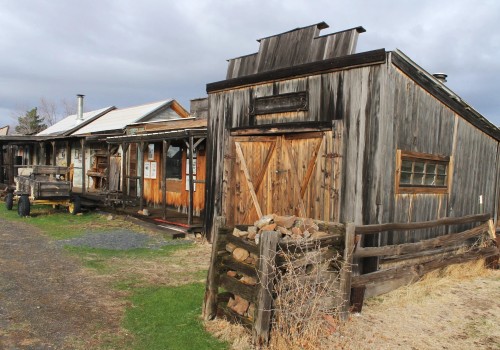
Oregon, a state rich in natural beauty and cultural heritage, boasts a plethora of famous monuments that tell the stories of its past. From towering statues to historical landmarks, each site carries with it a unique narrative that reflects the spirit of the region. In this article, we invite you to embark on a journey through Oregon's iconic monuments, exploring not only their architectural splendor but also the fascinating tales that have shaped them over the years. As you wander through these remarkable sites, you will encounter the echoes of history, where indigenous cultures, early settlers, and modern influences converge. Whether it's the grandeur of the Oregon State Capitol or the poignant memorials dedicated to those who have served, each monument serves as a testament to the resilience and creativity of the people who have walked this land. Join us as we delve into the stories behind Oregon's most celebrated landmarks, uncovering the secrets and significance that make them stand out.
Discover how these monuments not only commemorate history but also inspire future generations to appreciate and learn from our shared past. Prepare to be captivated by the rich tapestry of narratives that await you in every corner of this remarkable state. Oregon is a treasure trove of famous monuments that tell the stories of its rich history and cultural heritage. From the rugged coastline to the majestic mountains, each site serves as a testament to the state's past and its role in the broader narrative of America. Visitors to these historical landmarks can not only appreciate their architectural beauty but also gain insights into the events and people that shaped Oregon. One of the most significant sites is the Oregon Trail Interpretive Center, located near Baker City.
This monument stands as a gateway to the history of westward expansion. The center offers a detailed look at the challenges and triumphs faced by pioneers who traveled the Oregon Trail in search of a better life. With exhibits featuring authentic artifacts and immersive displays, visitors can walk in the footsteps of those early settlers. As historian John D.
Lee once noted, "The Oregon Trail was not just a path; it was a lifeline to dreams and aspirations." Families can also enjoy nearby outdoor activities such as hiking the scenic trails or participating in ranger-led programs that delve deeper into pioneer life. Another captivating monument is the Oregon State Capitol in Salem, which showcases stunning architecture and significant political history. The current building, completed in 1938, features a striking gold dome that is visible from miles away. Inside, visitors can explore murals that depict key moments in Oregon's history, including its indigenous heritage and early statehood. The Capitol is not only a functional seat of government but also a symbol of civic pride.
As former Governor Tom McCall famously said, "The Capitol dome is a beacon of hope, shining bright over our democracy." The surrounding gardens provide a peaceful retreat where families can stroll and enjoy art installations that celebrate Oregon’s diverse culture. Rounding out our exploration is the iconic Tillamook Rock Lighthouse, perched on its namesake rock off the coast of Tillamook County. Known as "Terrible Tilly," this lighthouse has a dramatic history, having faced fierce storms and treacherous conditions since its construction in 1881. Although it is no longer operational, its romanticized tales of shipwrecks and rescues capture the imagination of visitors. Local legend has it that the lighthouse keeper would often recount ghost stories to passing fishermen, adding an eerie charm to its legacy. Today, while access to the lighthouse itself is limited, visitors can take in breathtaking views from nearby beaches and cliffs while learning about maritime history. These sites are essential not only for understanding local history but also for appreciating their contributions to broader American narratives.
They represent resilience, innovation, and the enduring spirit of exploration that defines our nation. However, as we celebrate these remarkable monuments, it is crucial to address the ongoing debate regarding their preservation versus modern development. Some argue that maintaining these historical sites can impede progress, while others emphasize their importance as educational resources and cultural touchstones for future generations. Ultimately, preserving famous monuments like those found throughout Oregon enriches our understanding of history and fosters a sense of community identity. As we navigate the complexities of modern development, it is essential to strike a balance between honoring our past and embracing the future. With so much to offer, Oregon's historical monuments are must-visit attractions for anyone looking to experience the state's unique blend of natural beauty and rich cultural heritage.
Each site not only tells its own story but also invites visitors to create their own memories against a backdrop steeped in history.
Other Notable Monuments
In addition to Oregon's most famous landmarks, there are several notable monuments that capture the essence of the state's rich history and cultural diversity. One such site is the Astoria Column, a towering structure that offers breathtaking views of the Columbia River and the surrounding landscape. Erected in 1926, this monument is adorned with intricate murals that depict significant events in Oregon's history, making it a must-visit for both history buffs and nature enthusiasts alike. Another important site is the Japanese American Historical Plaza, located in Portland's Waterfront Park. This moving tribute honors the contributions and experiences of Japanese Americans throughout history, particularly during World War II.The plaza features beautiful landscaping and informative plaques that tell the stories of resilience and community, serving as a reminder of the cultural richness that shapes Oregon's identity. These monuments, among others, reflect Oregon's commitment to preserving its history while celebrating its diverse narratives. Exploring these sites provides valuable insights into the state's heritage and the stories that have shaped its communities over time.
Salem's State Capitol
The Salem's State Capitol stands as a testament to Oregon's governance and architectural prowess. This iconic building, located in the heart of Salem, serves not only as the seat of the Oregon Legislative Assembly but also as a symbol of the state's democratic ideals. Constructed in 1938, the Capitol features a stunning design that blends Art Deco and modernist influences, making it a unique landmark in the Pacific Northwest. Its golden dome, topped with a bronze pioneer statue known as the Oregon Pioneer, shines brightly against the Oregon skyline, representing the spirit of exploration and progress. Inside, visitors can appreciate the elegant marble corridors and beautifully crafted murals that depict Oregon's rich history and cultural diversity.The Capitol not only houses legislative chambers but also features public galleries where citizens can observe their government in action. As a key site for governance, Salem's State Capitol plays a vital role in shaping the laws and policies that affect the lives of all Oregonians. Its architectural beauty and historical significance make it a must-visit for anyone interested in understanding the heritage of this vibrant state.
The Oregon Trail Interpretive Center
The Oregon Trail Interpretive Center is a pivotal landmark that encapsulates the spirit of American pioneer history. Located near Baker City, Oregon, this center serves as a gateway to understanding the arduous journeys undertaken by thousands of settlers who traversed the Oregon Trail in search of a better life in the mid-1800s. Visitors to the Oregon Trail Interpretive Center can immerse themselves in interactive exhibits that vividly portray the struggles and triumphs of these early pioneers. From detailed displays of wagon equipment to reenactments of daily life on the trail, the center offers an engaging educational experience.The well-preserved artifacts and informative presentations highlight the challenges faced by families as they navigated treacherous terrains and harsh weather conditions. One of the most significant aspects of the center is its focus on storytelling. Through guided tours and living history demonstrations, guests can hear firsthand accounts that bring to life the experiences of those who traveled the trail. This personal connection makes history tangible, allowing visitors to appreciate not only the historical significance of the trail but also the resilience and determination of the individuals who ventured westward. The Oregon Trail Interpretive Center also emphasizes the cultural exchanges that occurred along the trail, showcasing interactions between settlers and Native American tribes. This aspect enriches the understanding of Oregon's diverse heritage and highlights the complexities of pioneer life. Overall, a visit to the Oregon Trail Interpretive Center is not just an exploration of a historical site; it is a journey into the heart of America's westward expansion, providing valuable insights into the nation's past while honoring those who contributed to its unfolding story.
Tillamook Rock Lighthouse
Perched on a treacherous rock formation off the coast of Oregon, the Tillamook Rock Lighthouse has long been a beacon for sailors navigating the stormy waters of the Pacific Ocean.Constructed in 1881, this iconic structure stands as a testament to the resilience and ingenuity of maritime engineering. The lighthouse was built to address the numerous shipwrecks that plagued the area, earning it the nickname 'Terrible Tilly' due to the harsh conditions that often surrounded it. The stories surrounding Tillamook Rock Lighthouse are as captivating as its rugged setting. One such tale involves the notorious shipwreck of the Fanny K., which tragically ran aground nearby in 1896. Despite the lighthouse's guiding light, the stormy seas proved too fierce, leading to a harrowing rescue operation that would become a part of local lore. This incident highlights not only the challenges faced by mariners but also the critical role that lighthouses played in ensuring their safety. Another intriguing aspect of Tillamook Rock Lighthouse is its construction process.
The builders faced daunting logistical challenges, transporting materials to the isolated rock and battling fierce weather conditions. The lighthouse's unique design, with its granite base and cast-iron lantern room, reflects the era's architectural style while serving a practical purpose. For years, it stood vigilant against storm surges and high winds, guiding countless vessels safely to shore. Today, while Tillamook Rock Lighthouse is no longer operational, it remains a symbol of Oregon's maritime heritage. It is often featured in tales told by local historians and serves as a popular subject for photographers and visitors alike.
The lighthouse not only stands as a historical monument but also invites reflections on the lives and stories of those who relied on its light during perilous times at sea.
Salem's State Capitol
Salem's State Capitol stands as a symbol of Oregon's governance and a testament to its architectural beauty. Located in the heart of Salem, this building has been the epicenter of political activity since its completion in 1876. The current structure, which was finished in 1938, showcases a stunning blend of Art Deco and modernist styles that reflects both the era of its construction and Oregon's unique identity. The most striking feature of the State Capitol is its golden dome, which is topped with a statue known as the Oregon Pioneer. This figure represents the spirit of exploration and the pioneering history that is so integral to Oregon’s narrative. The dome itself not only serves as an architectural highlight but also symbolizes transparency and openness in government. Inside, visitors can explore a series of murals and historical displays that depict significant events in Oregon's history, offering insight into how the state's governance has evolved over time.The building houses chambers for both the Oregon House of Representatives and the Senate, where important legislation is debated and passed. Guided tours allow guests to delve deeper into the workings of state government while appreciating the intricate design and craftsmanship that went into creating this historic landmark. Overall, Salem's State Capitol not only functions as a hub for political activity but also stands as an enduring symbol of Oregon's rich history and cultural heritage, inviting all who visit to reflect on the stories that have shaped this remarkable state.
Salem's State Capitol
The Salem's State Capitol stands as a testament to Oregon's political history and architectural prowess. This stunning building, completed in 1938, is not only the seat of government but also a symbol of the state's resilience and growth. One of the most striking features of the capitol is its golden pioneer statue that crowns the dome, representing the spirit of exploration and the hope of prosperity. The architecture is a blend of Art Deco and modernist styles, characterized by clean lines and geometric shapes that reflect the forward-thinking nature of Oregon. Inside, visitors are greeted by beautifully crafted murals and mosaics that depict significant moments in Oregon’s history, offering a glimpse into the state’s rich cultural tapestry.The building plays a crucial role in Oregon's governance, housing the offices of the governor, legislative chambers, and various state departments. As you explore Salem's State Capitol, you not only witness the heart of Oregon's political life but also appreciate its role as a cultural landmark, where history and governance intertwine. In conclusion, the preservation of Oregon's historical monuments is crucial for maintaining the rich tapestry of the state's cultural identity. These sites serve as tangible links to our past, allowing us to appreciate the diverse narratives that have shaped Oregon into what it is today. Each monument tells a unique story, reflecting the struggles, triumphs, and inspirations of those who came before us. By visiting these remarkable attractions, not only do we enjoy their stunning beauty, but we also engage with the fascinating histories that lie within them. We encourage you to explore these monuments and immerse yourself in the stories they hold, fostering a deeper connection to Oregon's heritage and inspiring future generations to cherish and protect these invaluable treasures.