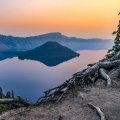
A winter visit to Crater Lake needs a different plan from a summer drive around the rim. Before choosing a departure time, separate three questions: can you reach the park, can you reach a lake viewpoint, and will the weather allow you to see the lake? Those answers are not always the same.
Check the route before the scenery
The National Park Service's winter visitor guide explains that the park remains open year-round while many roads and services close for winter. North Entrance Road and Rim Drive close to vehicles seasonally. The road from park headquarters to Rim Village is maintained when possible, but heavy snowfall can interrupt access.
Use the park's current conditions page to check each relevant road, rather than treating an open entrance as confirmation that the rim is reachable. Follow posted closures. A navigation app's suggested route does not establish that a seasonal road is open.
Make visibility a separate decision
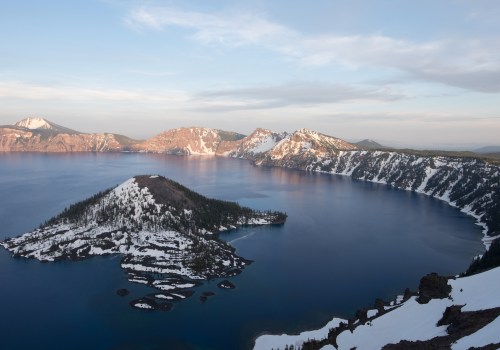
Clouds often conceal the lake in winter. NPS links to webcams and forecasts from its winter information pages. Check both before leaving: a camera image is a momentary view, while the forecast helps you consider what may happen later. Neither guarantees a clear view when you arrive.
Decide beforehand whether your group would still enjoy the outing without seeing the lake. If the view is the main purpose, keep a flexible date or an alternative stop. That decision is easier at home than after a long drive.
Confirm services and travel readiness
Review current fuel, restroom and visitor-facility information instead of relying on a summer itinerary. The park directs travelers to Oregon's road-condition information for restrictions outside its boundaries and identifies winter traction requirements. Check the requirements applying to your route and vehicle before departure.
Use our Oregon vacation packing guide as a starting point, then adapt your supplies to the forecast and planned activity. A scenic drive and a snowshoe outing need different preparation.
Keep a short departure checklist
Record the route you checked, the time of the check, the facilities you expect to use and your alternative plan. Recheck official alerts just before setting out. Seasonal information explains what usually changes; current notices decide what is possible on the day of your visit.